
From MVP to MLP: Designing Products People Truly Love
For the last decade, product teams have been obsessed with the MVP — the Minimum Viable Product . It’s been the mantra of agile startups and lean teams: launch quickly, validate assumptions, and iterate fast. And it works… to a point.
Here’s the truth: an MVP may prove that something functions, but it doesn’t guarantee that people care. Users will try a product once if it’s viable. They’ll stay — and tell others about it — only if it’s lovable.
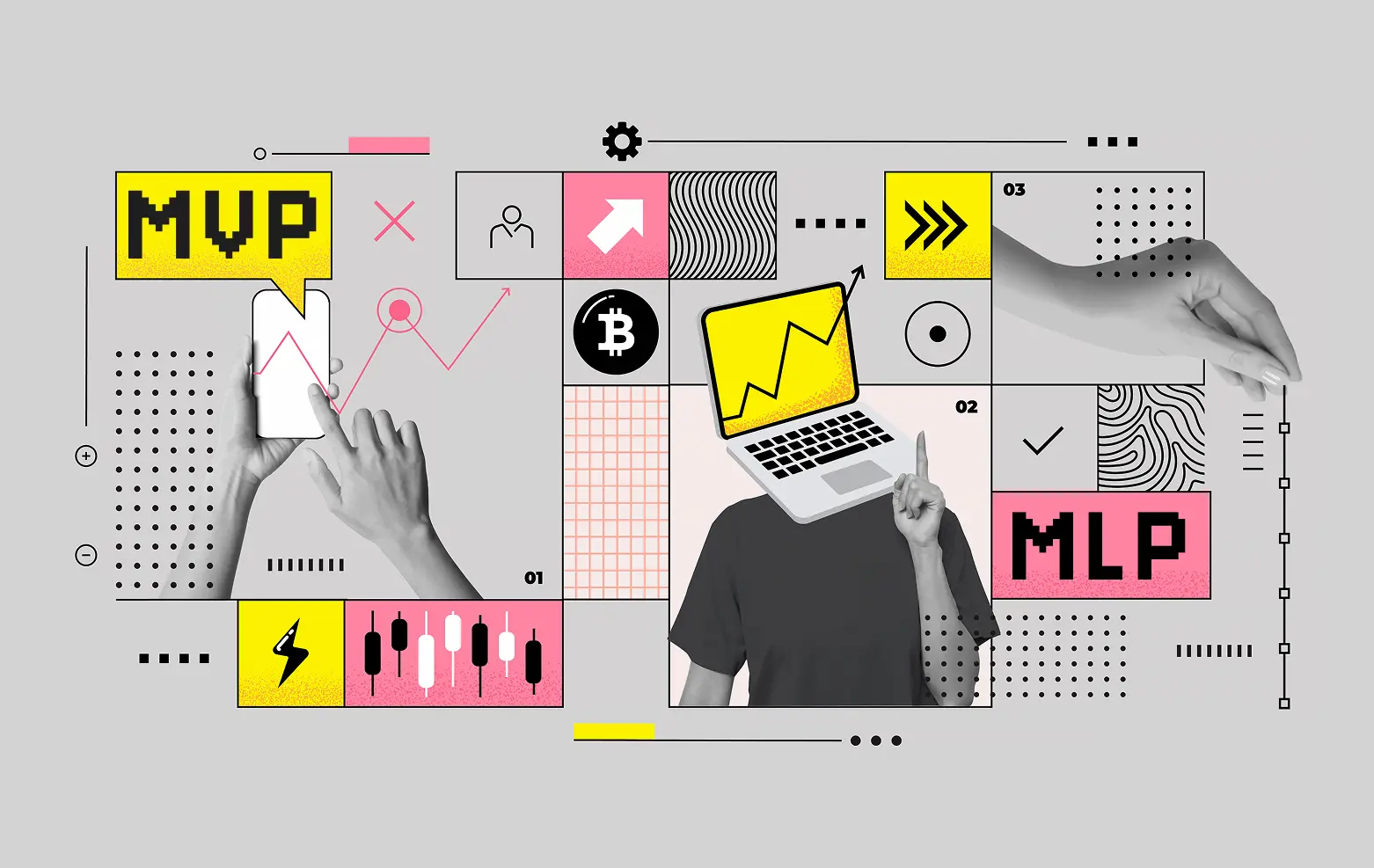
That’s where the MLP, or Minimum Lovable Product, comes in.
MVP vs. MLP — What’s the Real Difference?
- MVP (Minimum Viable Product) : Build the simplest version of your idea that works. It answers, “Can this survive in the market?”
- MLP (Minimum Lovable Product): Build the simplest version of your idea that people enjoy. It answers, “Will people choose this over alternatives — and miss it if it disappeared?”
👉 Put simply: MVP is about existence, MLP is about experience
Think of the early days of streaming music. MVP was just being able to play songs online. But Spotify made the leap to MLP with curated playlists, smooth onboarding, and a brand personality that felt human. That’s what transformed it from “usable” to “unmissable.”
Why Lovability Matters in 2025
The landscape has shifted. Users today are:
- Overwhelmed with choice → There are dozens of alternatives for almost every product.
- Emotion-driven → People don’t just want tools; they want experiences that feel good.
- Quick to abandon → One frustrating interaction, and they’re gone.In this environment, lovability isn’t a luxury — it’s survival.
- I often use A product that only works → gets tested and forgotten.
- A product that delights → earns trust, retention, and free word-of-mouth marketing.
That’s why successful companies design not just for functionality, but for joy, trust, and emotional resonance
How to Design for MLP
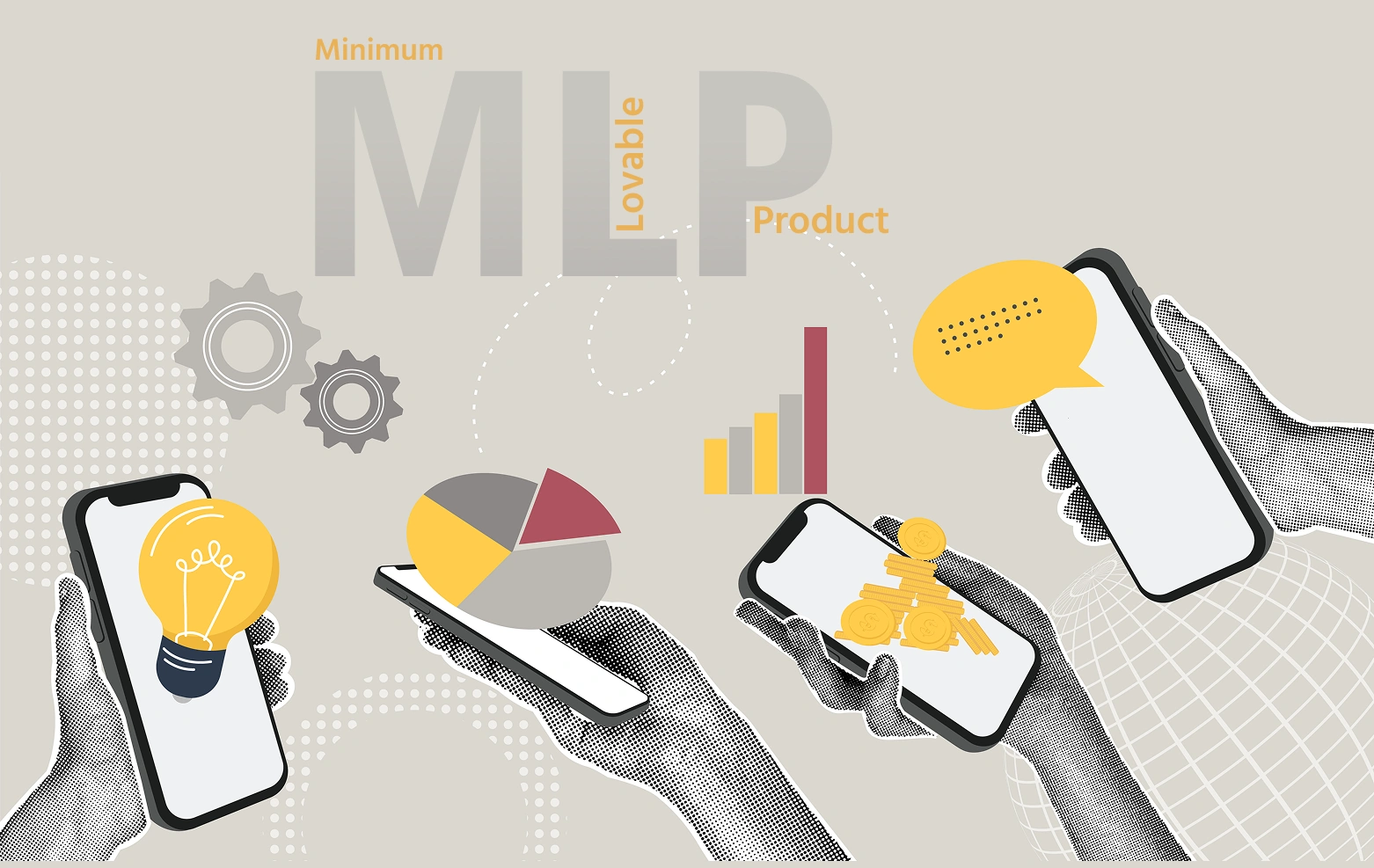
Here’s how designers and product teams can move from building what’s viable to creating what’s lovable:
- 1. Design for Feelings, Not Just Flows
Start by asking: How do we want users to feel at each step? Relieved? Excited? Confident? These emotional goals shape design decisions more than feature checklists ever can. - 2. Polish the First Mile
Onboarding is make-or-break. A lovable product creates delight in the first 5 minutes: smooth sign-ups, clear value, and maybe even a small surprise that makes people smile. - 3. Craft Micro-Interactions with Care
It’s the tiny details — a button that gives feedback, an animation that reassures, an error message that’s human — that turn utility into love. These micro-moments show users that you’ve thought about them. - 4. Simplify Ruthlessly
Lovability doesn’t come from more features. It comes from fewer, better ones. Each extra click, field, or step erodes delight. Reduce friction until the path feels effortless. - 5. Listen Like Crazy
Data tells you what users do. Conversations tell you why. Pair analytics with usability tests, surveys, and interviews to uncover frustrations and opportunities for joy.
Real-World Examples
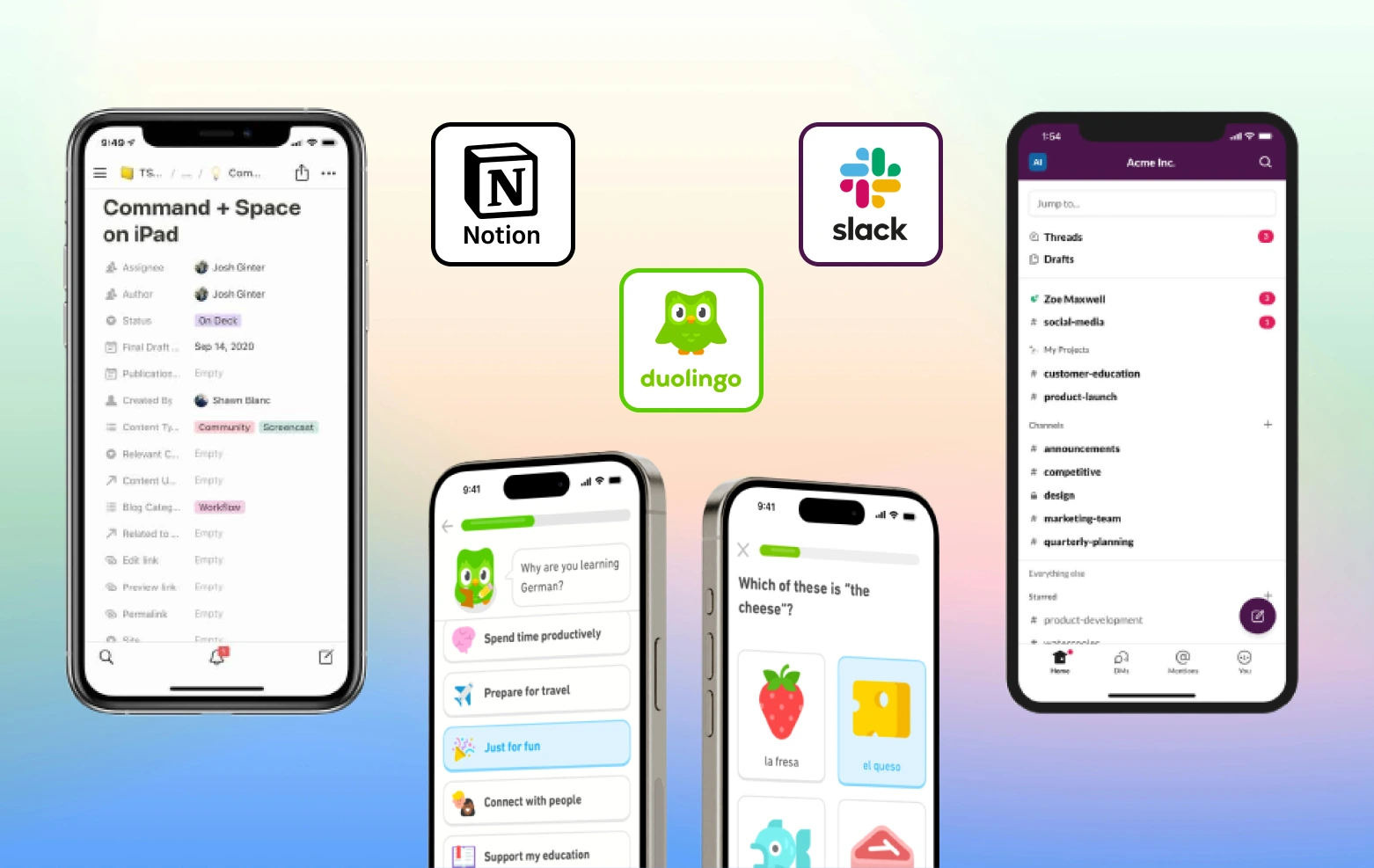
- Slack: It wasn’t the first chat tool, but it made work conversations fun, with personality-filled microcopy and delightful little interactions (remember the Slackbot jokes?).
- Notion: It didn’t just offer docs and databases — it gave users ownership over how to shape their workspace, wrapped in a clean, beautiful UI.
- Duolingo: Learning a language isn’t easy, but Duolingo made it playful with streaks, quirky characters, and encouragement that kept people coming back.
Each of these products went beyond viability. They designed for love.
The Designer’s Role in Making the Leap
Moving from MVP to MLP isn’t just a product strategy shift — it’s a design philosophy.
- Product Managers might focus on viability: does it solve the problem?
- Designers bring lovability: does it solve the problem in a way people enjoy?
This is where design adds its greatest value — shaping not just how something looks, but how it feels, and whether it leaves a lasting impression.
Great design transforms products from tools into companions.
Final Thought
Shipping an MVP proves you can exist. Shipping an MLP proves you can matter.
In 2025 and beyond, the products that win won’t just be the ones that function — they’ll be the ones that feel human, empathetic, and even delightful.
As designers, our challenge isn’t just to create what people can use. It’s to create what they’d miss if it were gone. That’s the difference between minimum viable and minimum lovable — and it’s the difference between surviving and thriving.


 Lets Talk